

Religions of Openheim
Doctrine, warding, and contested devotion
Canonical religion-route framing for Openheim, paired with live religion records.
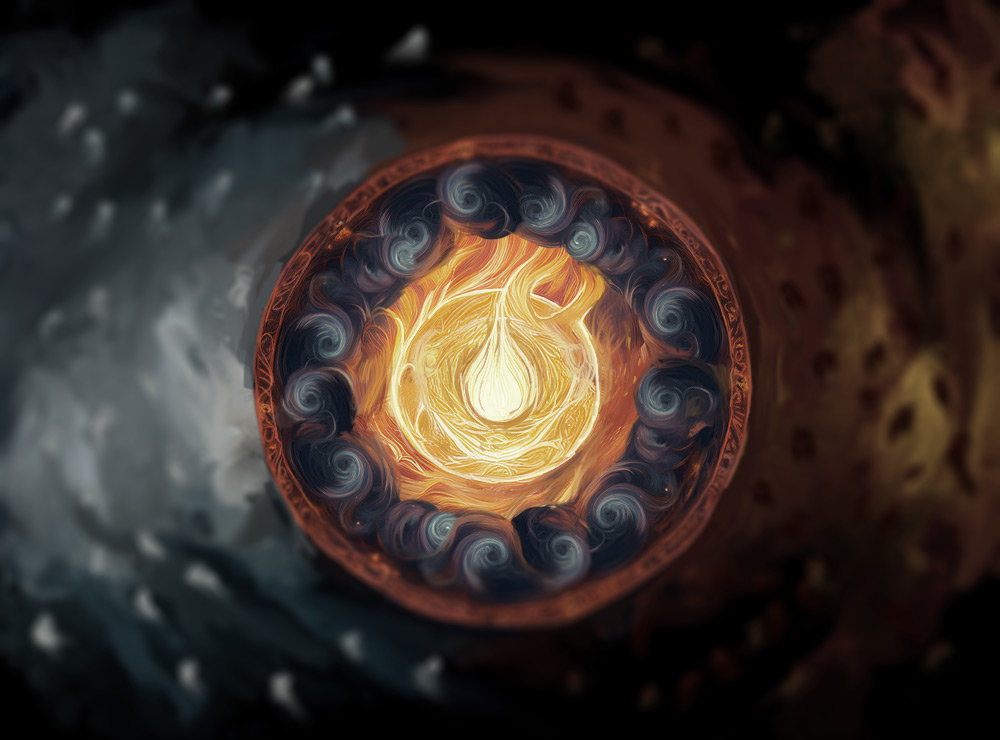
At a Glance
In Openheim, power is inherited through stories people believe, objects people carry, and marks people cannot undo. Religion is where that inheritance is bound to public duty through bell rites, ward circuits, and relic stewardship. True wonders are rare, and folk receive them with fear, reverence, and strict custom.
- Read this page for doctrine, institutions, taboos, and social pressure in everyday civic life.
- Use it to frame faction conflict, altar politics, and moral stakes in scenes.
- For procedures and calculations, use the dedicated rules routes.
Origin of Power
The Church of the Eternal Flame teaches that power survives only in balance. Starve the flame and darkness creeps inward; feed it without restraint and the same city burns from within. Priests remind the commons that miracles are not daily bread, but signs granted at a price.
Ordinary people read this doctrine in practical signs: ward braziers that hold, ash that falls cold at dawn, and bells that ring on time after storms. For mechanical expressions of doctrine and rite pressure, see Rules: religion systems.
Social Custodians
- The central church prioritizes measured ritual, records, and civic compliance.
- Frontier chapels adapt practice to local danger and often tolerate disputed customs.
- Fringe sects reject moderation through quenching, overkindling, or forced convergence doctrines.
Orthodoxy holds the center, yet every drought, plague, or siege reopens the question of who may claim ritual authority when survival is on the line. For mechanical expressions of religious offices and sanctions, see Rules: religion systems.
Public Practice
- Equinox audits inspect ward stones, bridge shrines, and civic braziers before trade season turns.
- Winter tithes reallocate fuel and incense by district risk, not by status.
- Floodwatch rites lock riverside relic vaults and appoint temporary ash wardens.
- Late-harvest vigils publicly reconcile oath disputes before winter law is declared.
When these observances fail, collapse is usually social before it is supernatural: missing watches, silent shrines, and districts that no longer trust one another. For mechanical expressions of ritual outcomes, see Rules: religion systems.
Private Risk
In Openheim, most communities treat relics as covenant burdens before they treat them as opportunities. Custody implies duty, sworn witnesses, and collective blame when containment fails behind closed doors.
Imbuement is judged through social trust: the same practitioner may be welcomed as guardian in one province and watched as civic threat in another. Most folk never witness sanctioned imbuement in a lifetime, and those who do remember it like a funeral bell. For mechanical expressions of relic use and imbuement risk, see Rules: artifact and imbuement systems.
Historical Fracture
Two events still define modern doctrine: the Ash Concord, which split temple jurisdiction from crown command, and the Winter of Three Bells, when broken alarm chains left whole wards unprotected.
Every current argument about orthodoxy, relic custody, and sanctioned imbuement invokes one of these disasters by name. For mechanical expressions of legal status and sanction outcomes, see Rules: religion systems.
Present-day Tensions and Hooks
- In famine year, the high court petitions writ to restore a condemned sect rite, swearing only forbidden prayer can hold the granaries together.
- A border chapel is struck from every register, yet its stewards still gather fuel tithes under an old seal and bell.
- Two provinces exchange sworn bills of ward neglect and muster spears beneath the pretense of pious correction.
Rules Touchpoint
Boundary Reminder
This page is canonical world lore. It explains meaning, institutions, and consequence. For mechanical expressions of these practices, use Rules: religion systems, artifact systems, and imbuement systems.