

Professions of Openheim
Trades, callings, and inherited burdens
Worlds lore expansion for the profession route — context, social weight, and age-of-the-Hollow-King framing.
Guild and Bloodline
In Openheim, profession is rank, reputation, and risk as much as craft. A guild seal can open city gates, settle inheritance disputes, or mark someone for conscription before sunset.
Some callings are taught in guild halls under iron contracts, with advancement measured by examination and committee. Others are inherited obligations dressed as honor — the miller's son who mills, the knight's bastard who guards. Both can become shackles when famine, war, or relic panic hits a district.
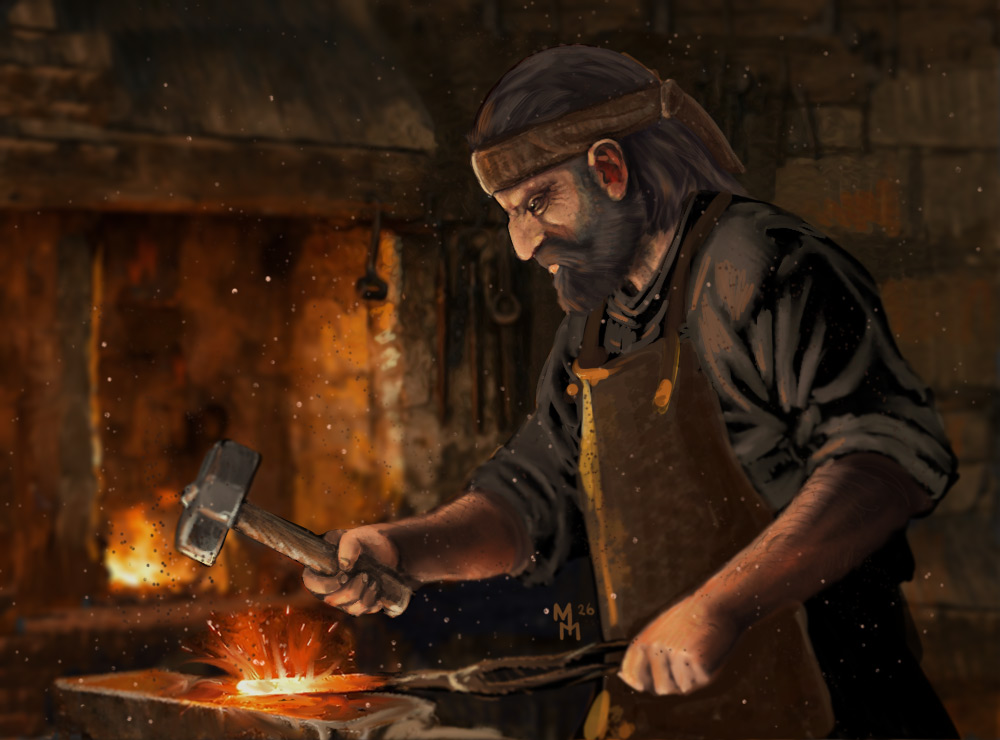
Guild masters keep records the city watch reads. A blacksmith without a registered seal may forge, but he cannot legally sell in most cities. A clergyman unaffiliated with a recognized chapter draws the kind of attention that ends careers before they begin.
The Price of a Title
Professions carry social weight in both directions. A noble's title buys audience; it also buys debt, obligation, and enemies who knew the family before the crest was worth anything.
Outcasts — those whose callings sit below the recognized social threshold — aren't merely looked down upon. They are watched differently by guards, denied services in better establishments, and vulnerable to magistrates who can cite "known unlicensed trade" as sufficient cause for arrest.
The scavenger who survives long enough becomes something else: a dealer in recovered antiquities, a consultant to curious nobles with the right questions. Openheim rarely forgets where you started. It occasionally allows the fiction of what you became.
Callings in a Fractured Age
The Hollow King's diminished authority has redrawn the terms of professional survival. Guild taxes have risen twice in three years. Border raids have made soldiers out of farmers. Merchants who once moved freely between duchies now negotiate tariffs at every crossing.
Scholars find their libraries audited for seditious material. Clergymen navigate which noble is currently in favor with the Church before accepting invitations to dinner. Artificers who once licensed their designs through crown patents now move through informal channels when patents expire without renewal.
Soldiers who survived the border campaigns return knowing things that don't match what guild histories say happened. Some take a different path afterward. Most don't talk about the gap.
Mechanical Reading
Professions are mechanical anchors as much as narrative identity. Each entry carries social standing context, attribute tendency weights, and skill focus directions for build planning.
Primary, secondary, and tertiary entries reflect where profession training and experience naturally concentrates — not where a character is locked. A farmer who picks up a sword remains a farmer with a sword until experience and time change the story.